
Who decides your cancer treatment plan?

Learn who helps shape your cancer treatment plan, how cancer specialists work together and why your goals and preferences guide all care decisions.
Meet Dr. Stephanie Fries
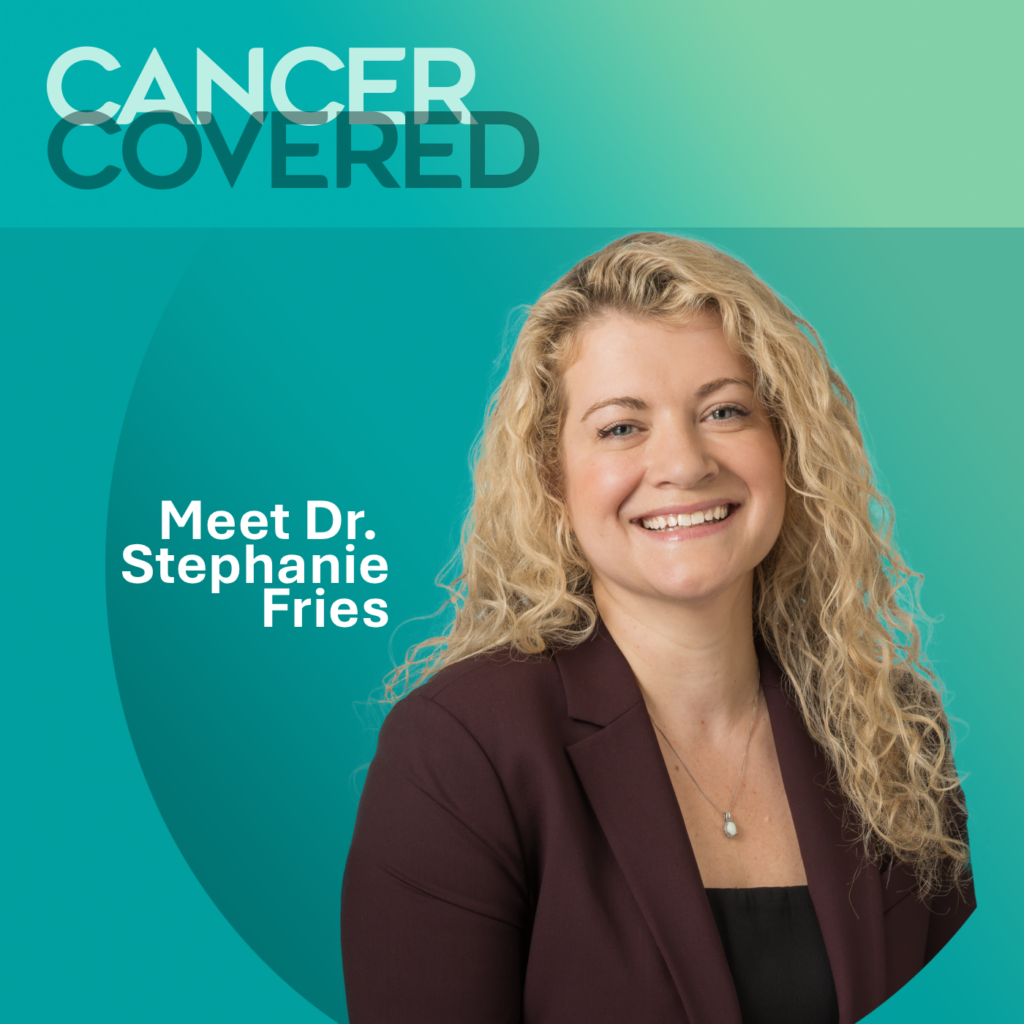
Dr. Stephanie Fries believes every patient is unique, and every treatment plan should reflect that. In this episode of Cancer Covered, she shares her patient-centered approach to oncology, explains how she coordinates care as the “quarterback” of the cancer team, and discusses why honesty, hope, and asking questions are key to navigating a cancer diagnosis.
What to Expect After a Breast Cancer Diagnosis: Your Surgical Team & First Decisions
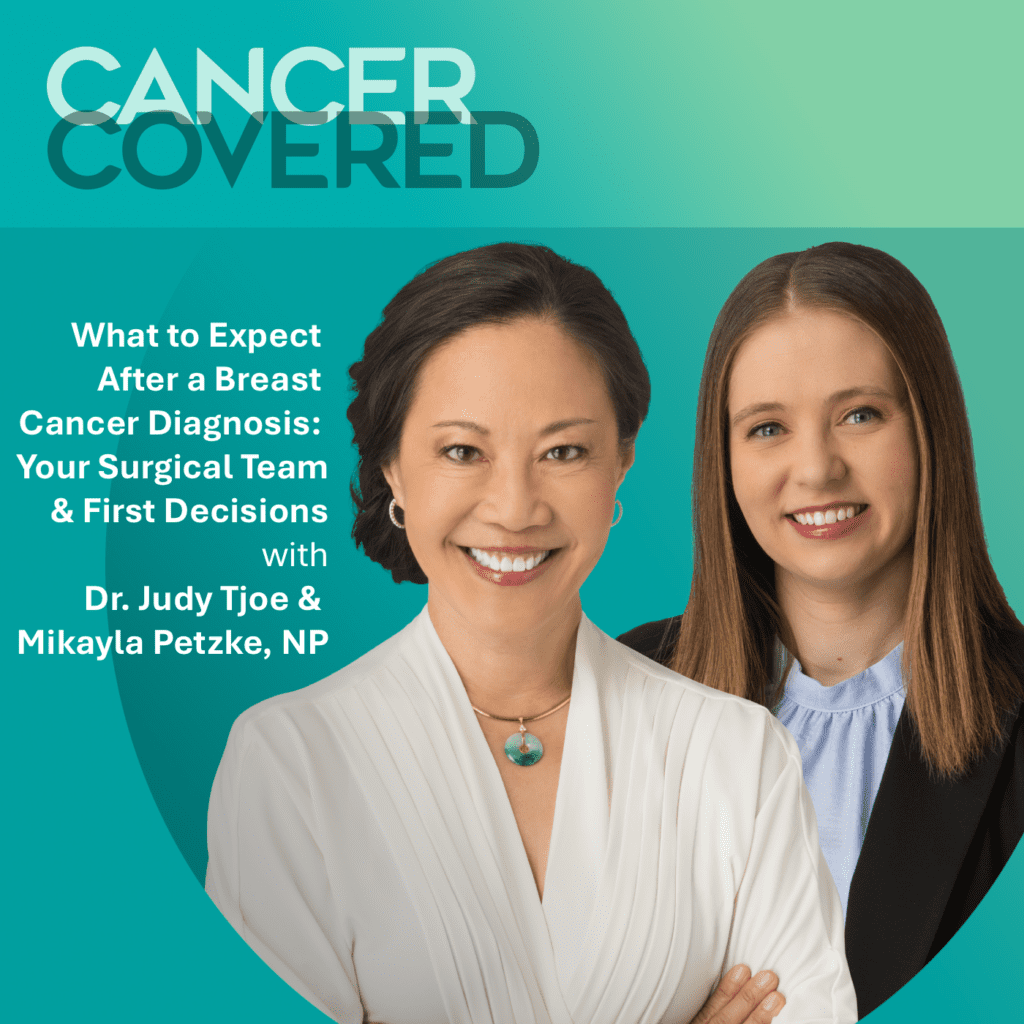
Dr. Judy Tjoe and nurse practitioner Mikayla Petzke share how they help breast cancer patients understand their options, process complex information, and feel supported from diagnosis through surgery and beyond.
Is Chemo Worse than Cancer?
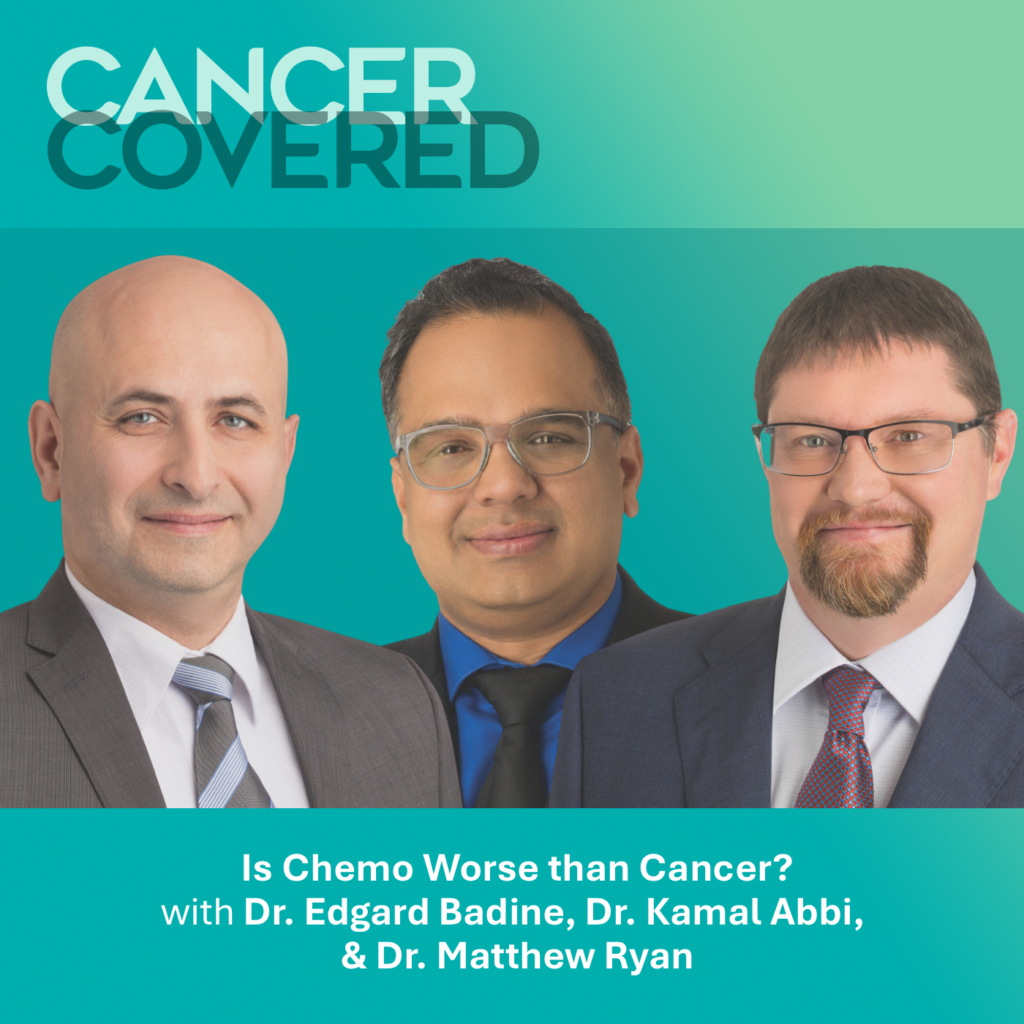
Dr. Edgard Badine, Dr. Kamal Abbi, and Dr. Matthew Ryan address the common fear that chemotherapy might be more damaging than the cancer it treats.
The discussion centers on dismantling outdated stigmas and highlighting how modern medicine has shifted the patient experience from one of endurance to one of managed care.
Is Cancer a Death Sentence?

Dr. Edgard Badine, Dr. Kamal Abbi, and Dr. Matthew Ryan discuss why the fear of cancer as a “death sentence” still persists, how modern advances in screening, treatment, and care have reshaped outcomes, and how shifting the conversation toward understanding a patient’s plan can replace fear with clarity and control.
From Patient to Professor: Dr. Brian Merkel and the Transplant Ripple Effect
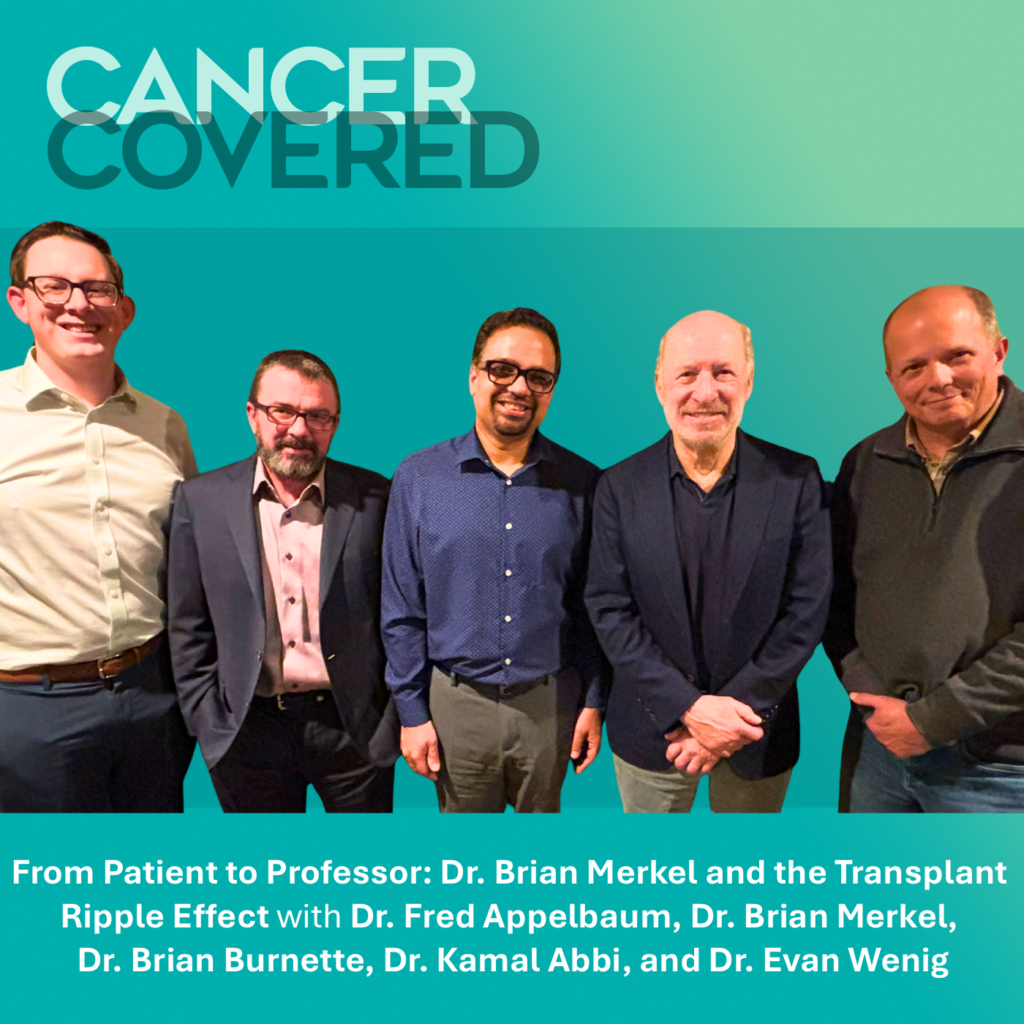
Dr. Fred Appelbaum, Executive Vice President of Fred Hutch Cancer Center, joins Green Bay Oncology physicians Dr. Brian Burnette, Dr. Kamal Abbi, and Dr. Evan Wenig, along with Dr. Brian Merkel, Professor and Chair of Human Biology at the University of Wisconsin–Green Bay, to reflect on one of the earliest eras of bone marrow transplantation through the eyes of both patient and physician.
Medicare for Cancer Care 101

Financial counselors Jordan Karwedsky and Anne Baumgart join this episode of Cancer Covered to break down how Medicare covers cancer treatments, offering practical advice on navigating the system and accessing financial assistance.
Breast Radiation and Heart Disease

Drs. Michael Guiou and Alex Coffman, radiation oncologists, explain that patients with left-sided breast cancer have a higher risk of heart disease because of the heart’s proximity to the radiation field. They detail how modern techniques like deep inspiration breath hold (DIBH) and prone positioning are now used to reduce this risk, a significant improvement over earlier methods that unintentionally increased heart exposure.
Cancer Treatment Safety: Smarter, Not Stronger

Dr. Michael Guiou, Dr. Matthew Ryan, and Dr. Kamal Abbi discuss the key factors that impact the safety and effectiveness of cancer treatments, emphasizing the importance of patient advocacy, understanding treatment options, and working with a multidisciplinary care team.
Tumor Markers
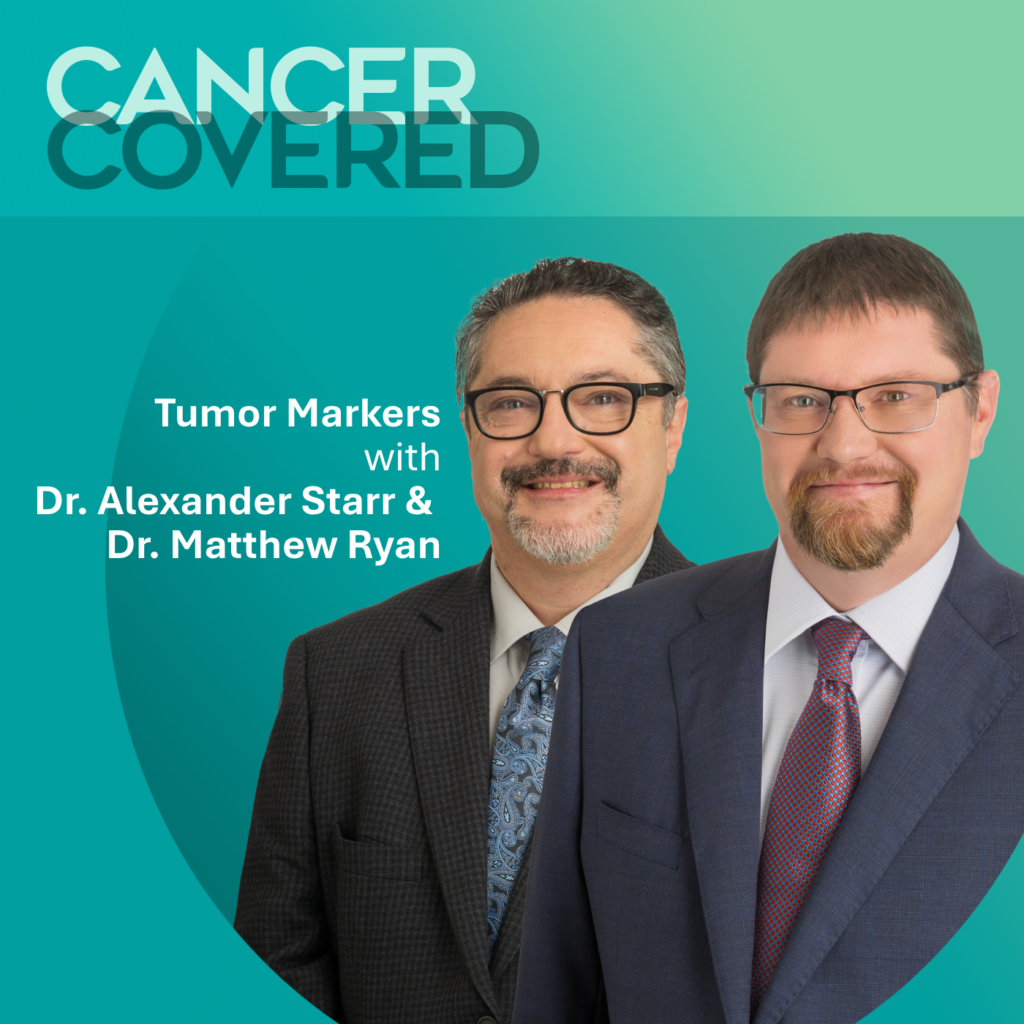
Dr. Alexander Starr and Dr. Matthew Ryan explain how tumor markers can help track cancer and treatment and emphasize that it’s crucial to look at a patient’s overall health, not just the numbers.