Who decides your cancer treatment plan?

Learn who helps shape your cancer treatment plan, how cancer specialists work together and why your goals and preferences guide all care decisions.
Cannabis and Cancer Symptoms
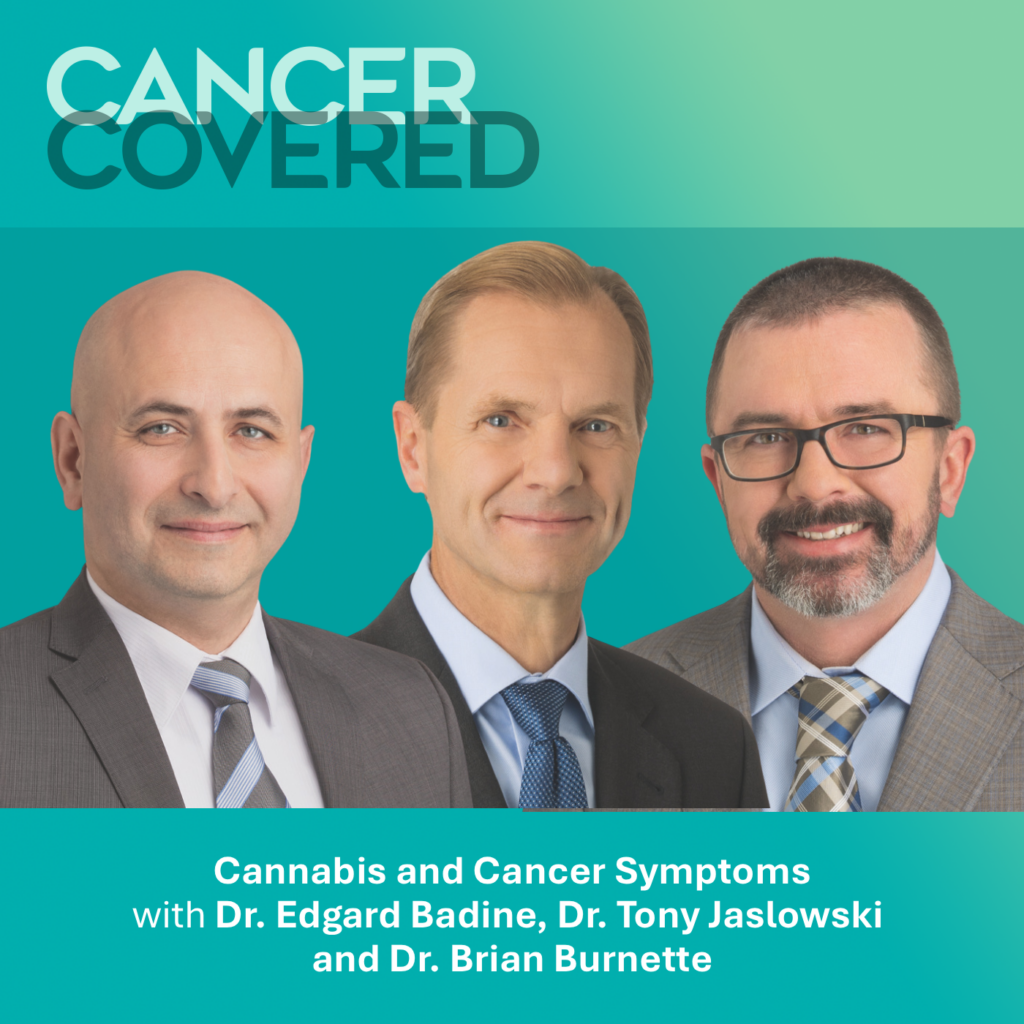
Dr. Brian Burnette, Dr. Tony Jaslowski, and Dr. Edgard Badine examine the potential benefits, risks, and real-world evidence surrounding cannabis use in cancer care while emphasizing the vital need for open communication between patients and their care teams.
Meet Dr. Stephanie Fries
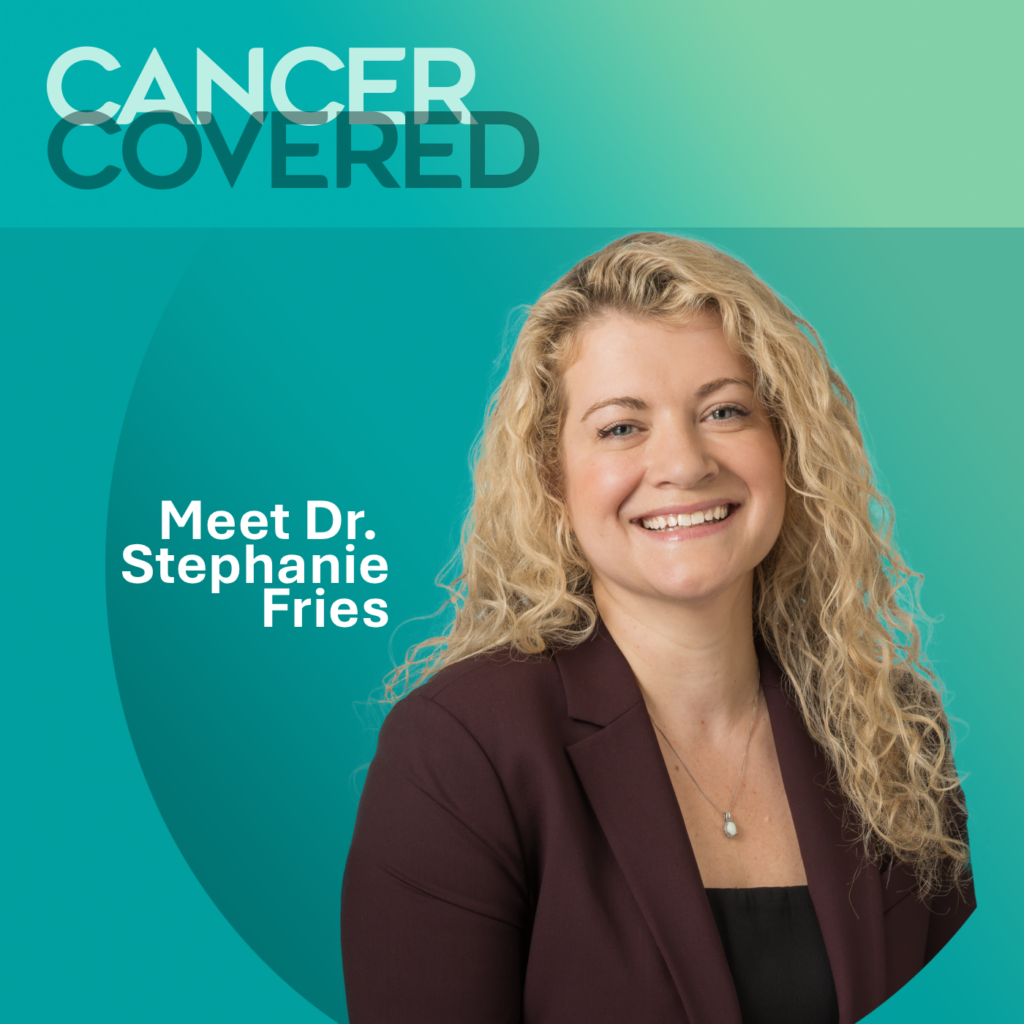
Dr. Stephanie Fries believes every patient is unique, and every treatment plan should reflect that. In this episode of Cancer Covered, she shares her patient-centered approach to oncology, explains how she coordinates care as the “quarterback” of the cancer team, and discusses why honesty, hope, and asking questions are key to navigating a cancer diagnosis.
What Palliative Care for Cancer Really Means
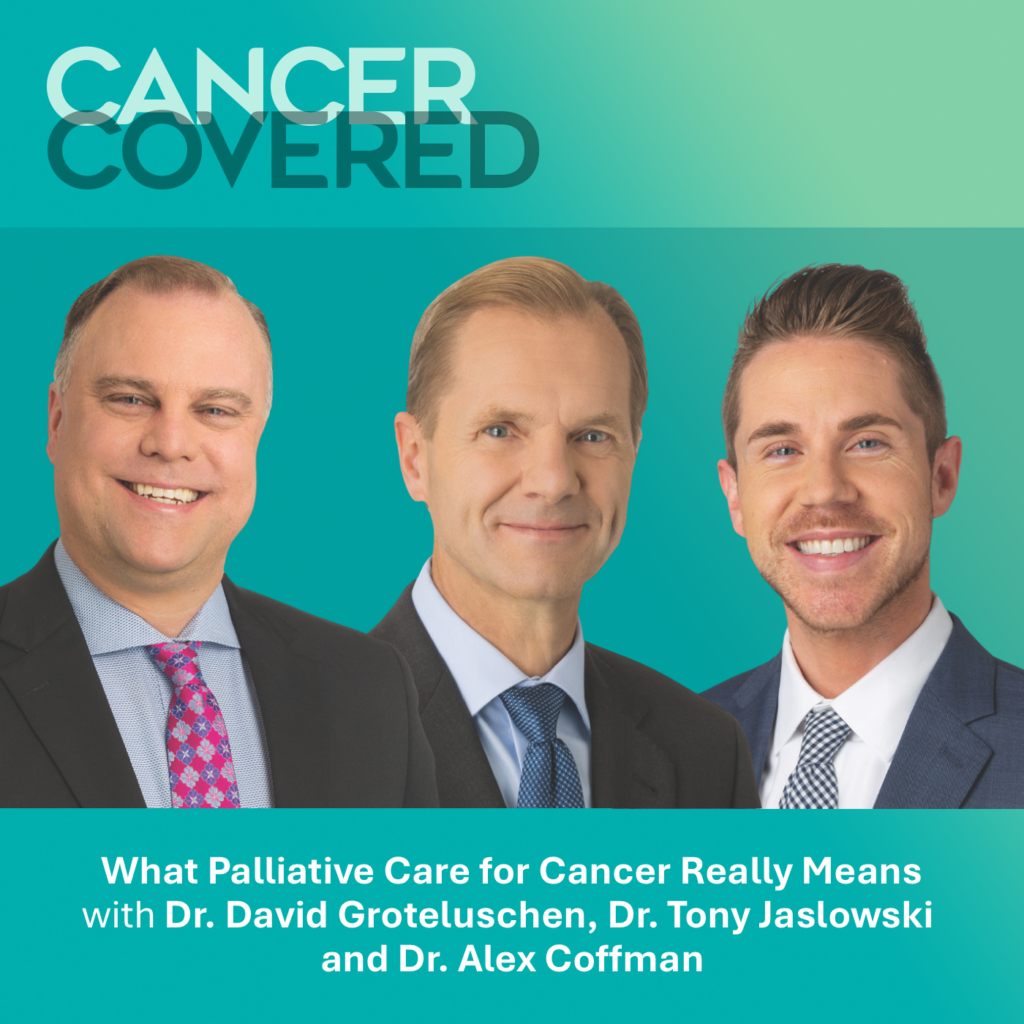
Dr. David Groteluschen, Dr. Tony Jaslowski, and Dr. Alex Coffman separate the myths from the reality of palliative care, explaining how it helps patients live better throughout cancer treatment and not just at the end of life.
The APP Role in Cancer Care: Radiation Oncology
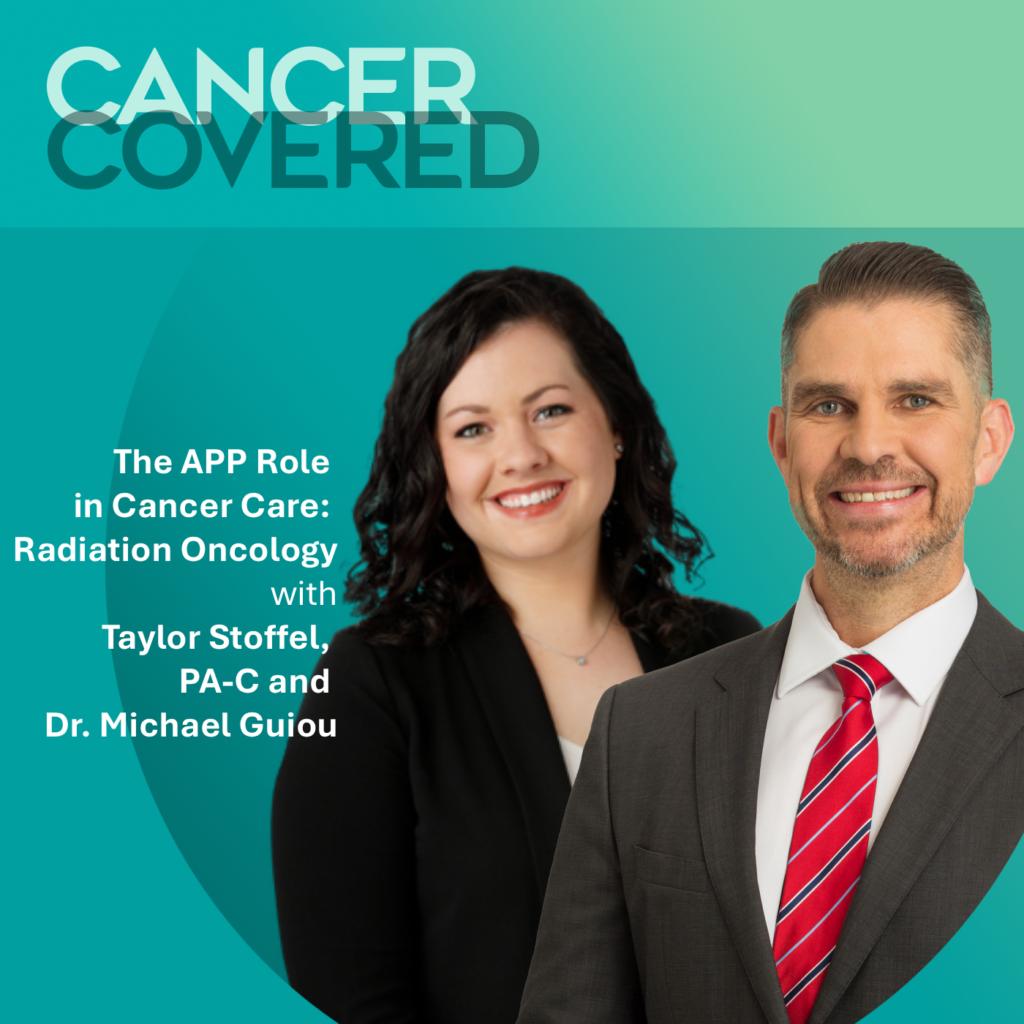
Radiation oncologist Dr. Michael Guiou and Taylor Stoffel, PA-C, MPAS take listeners inside the collaborative world of radiation oncology, sharing how care teams guide patients through treatment, manage side effects and support recovery long after treatment ends.
CAR T-cell Therapy: From “Dead Man Walking” to Living Proof
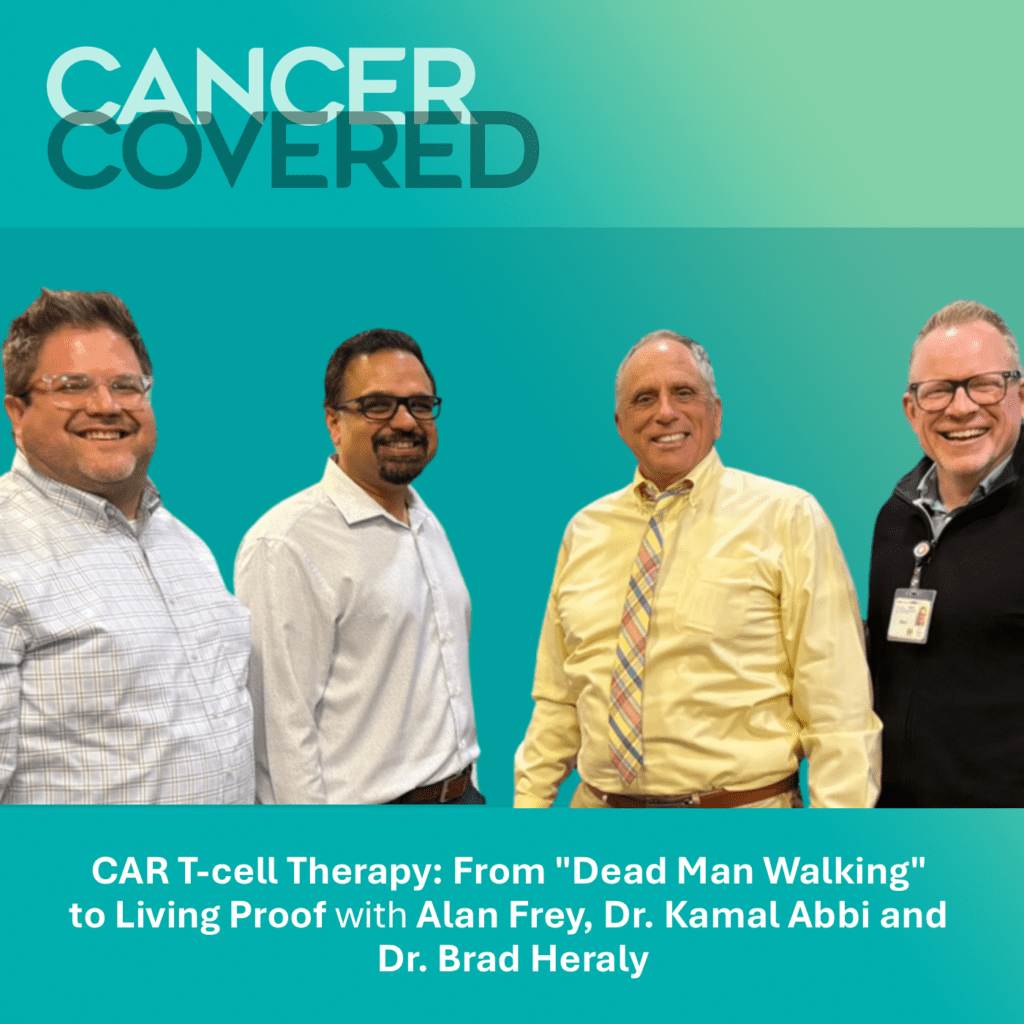
Join Dr. Kamal Abbi and Dr. Brad Heraly as they welcome patient Alan Frey to the studio for a raw and insightful look at his experience with CAR T-cell therapy for leukemia.
Is Chemo Worse than Cancer?
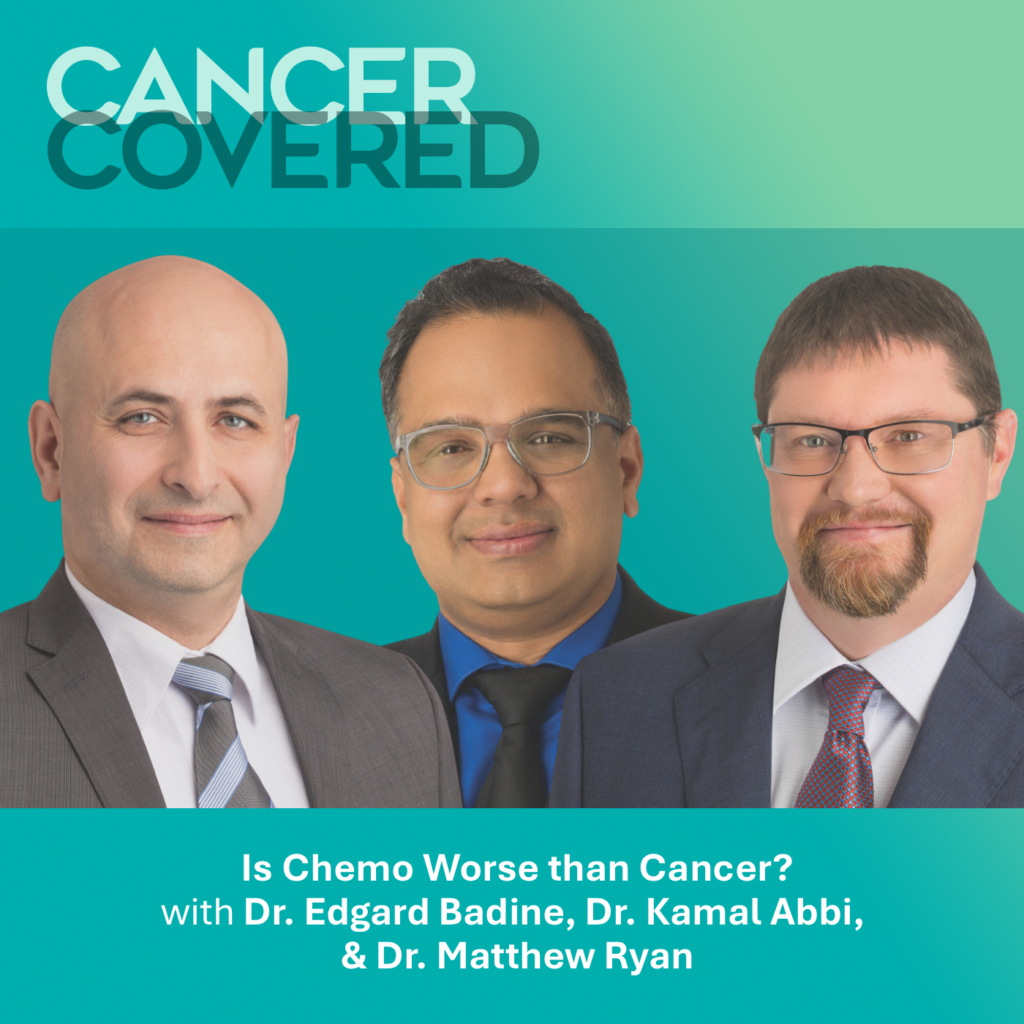
Dr. Edgard Badine, Dr. Kamal Abbi, and Dr. Matthew Ryan address the common fear that chemotherapy might be more damaging than the cancer it treats.
The discussion centers on dismantling outdated stigmas and highlighting how modern medicine has shifted the patient experience from one of endurance to one of managed care.
Is Cancer a Death Sentence?

Dr. Edgard Badine, Dr. Kamal Abbi, and Dr. Matthew Ryan discuss why the fear of cancer as a “death sentence” still persists, how modern advances in screening, treatment, and care have reshaped outcomes, and how shifting the conversation toward understanding a patient’s plan can replace fear with clarity and control.
Oncology nutrition and social work services for cancer patients

Learn how oncology dietitians and oncology social workers support cancer patients with nutrition guidance, emotional support and access to essential resources.
From Patient to Professor: Dr. Brian Merkel and the Transplant Ripple Effect
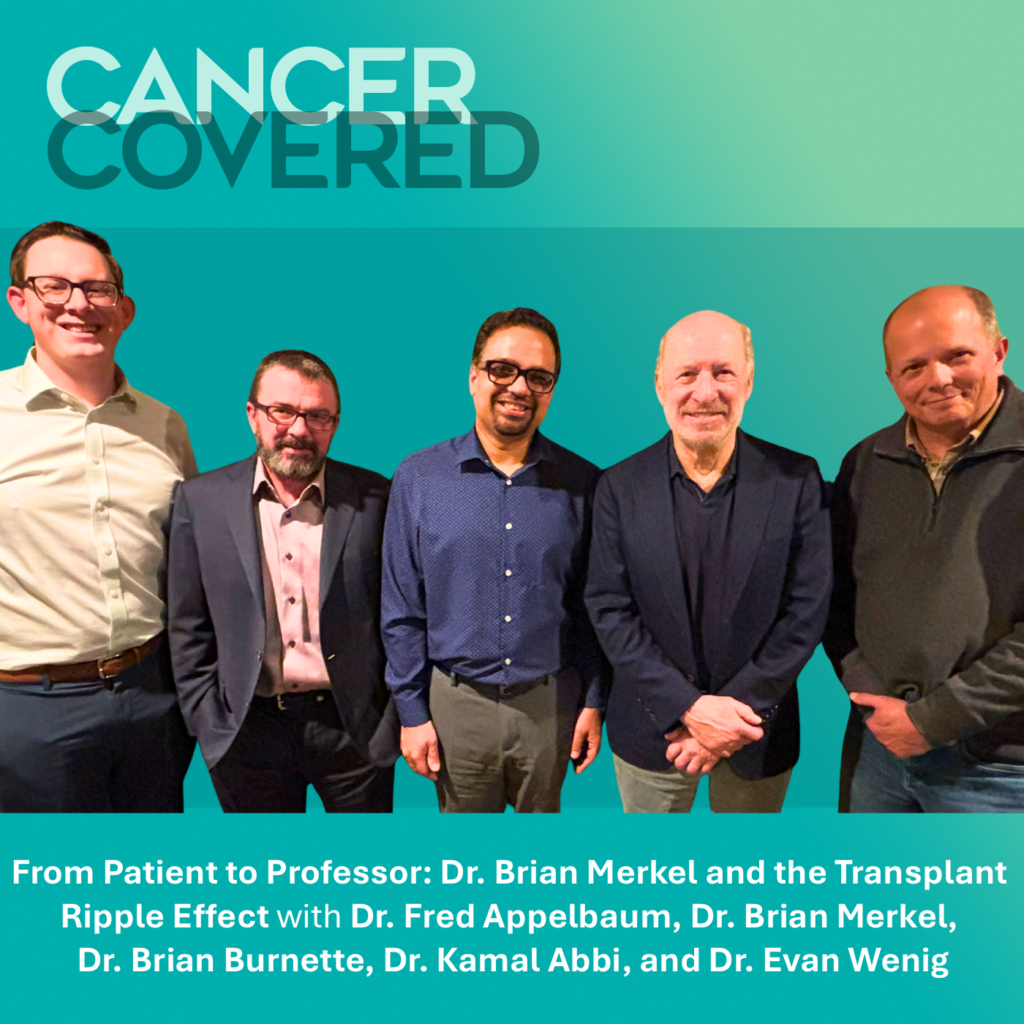
Dr. Fred Appelbaum, Executive Vice President of Fred Hutch Cancer Center, joins Green Bay Oncology physicians Dr. Brian Burnette, Dr. Kamal Abbi, and Dr. Evan Wenig, along with Dr. Brian Merkel, Professor and Chair of Human Biology at the University of Wisconsin–Green Bay, to reflect on one of the earliest eras of bone marrow transplantation through the eyes of both patient and physician.