The APP Role in Cancer Care: Medical Oncology and Hematology
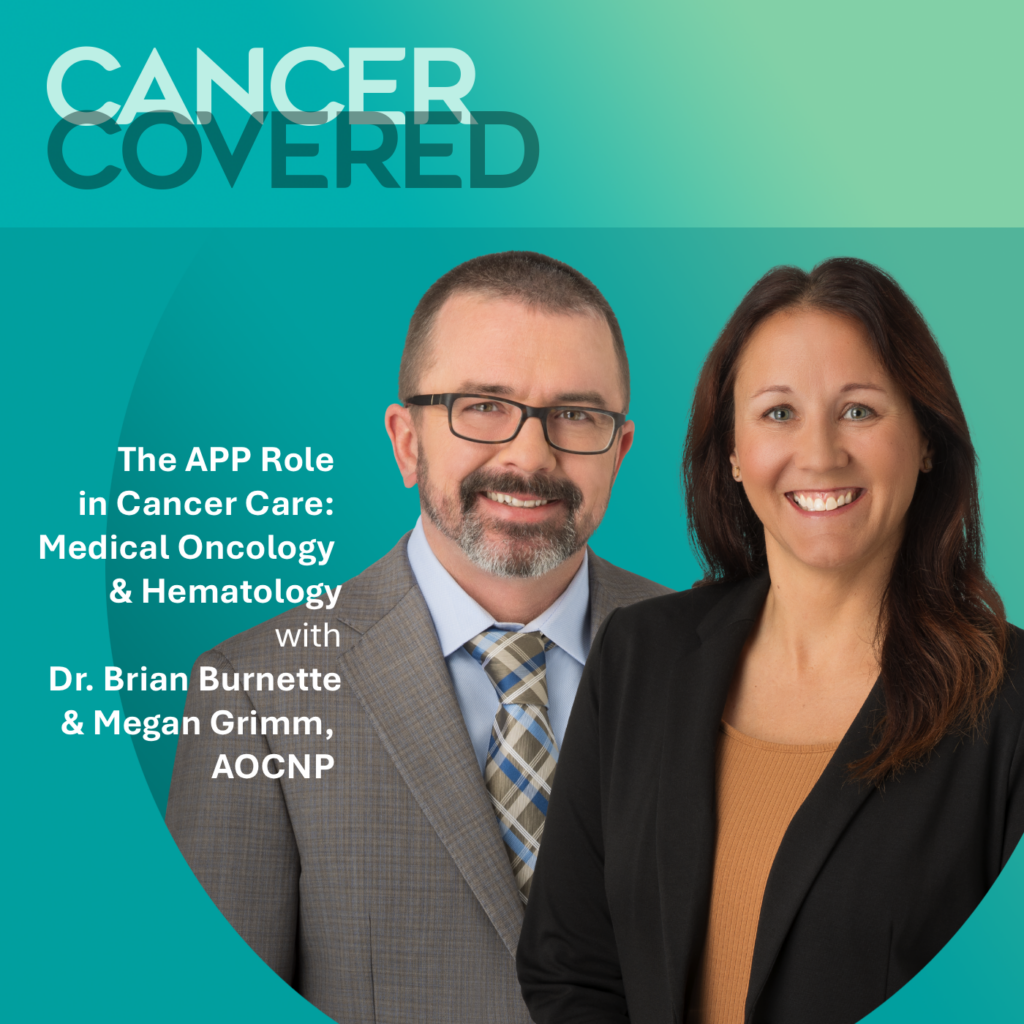
Dr. Brian Burnette and nurse practitioner Megan Grimm explain how oncologists, advanced practice providers, and the broader care team collaborate to deliver personalized, high-quality blood and cancer care close to home.
The APP Role in Cancer Care: Radiation Oncology
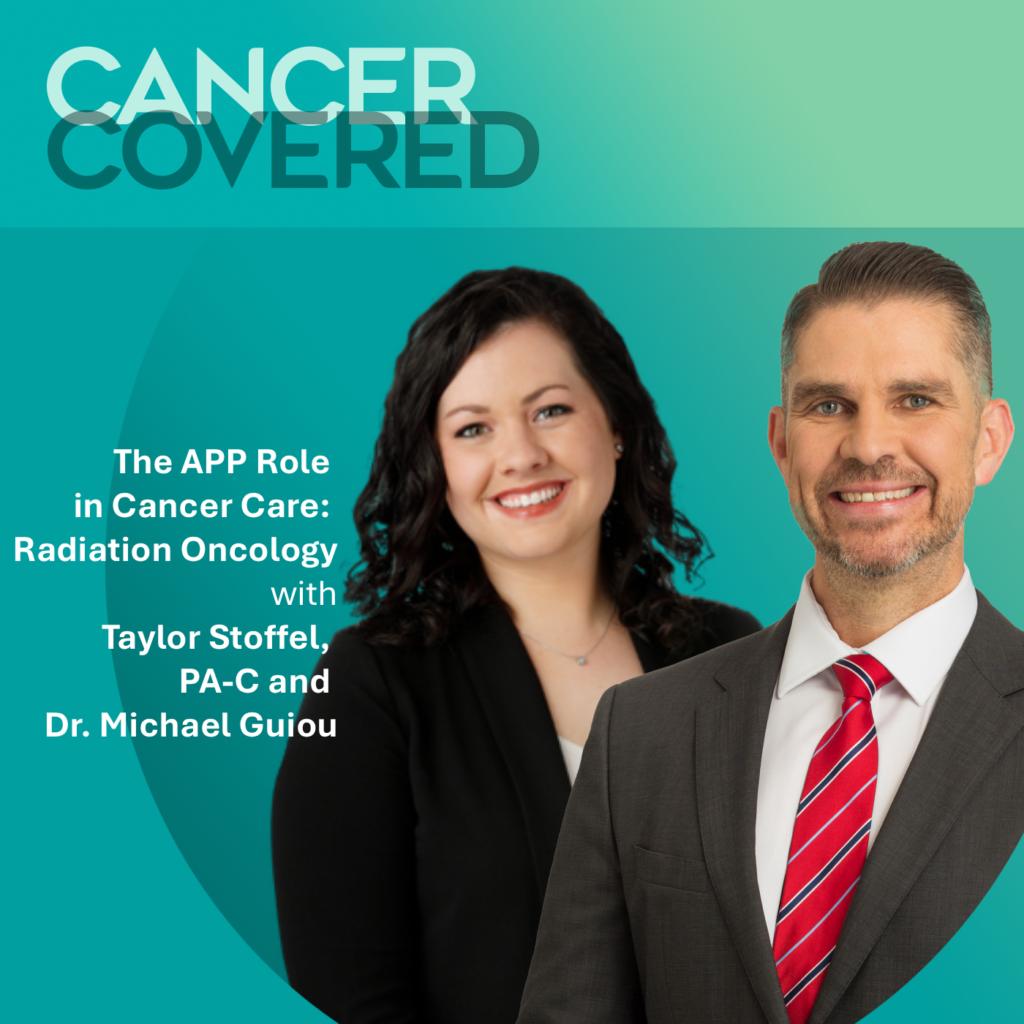
Radiation oncologist Dr. Michael Guiou and Taylor Stoffel, PA-C, MPAS take listeners inside the collaborative world of radiation oncology, sharing how care teams guide patients through treatment, manage side effects and support recovery long after treatment ends.
CAR T-cell Therapy: From “Dead Man Walking” to Living Proof
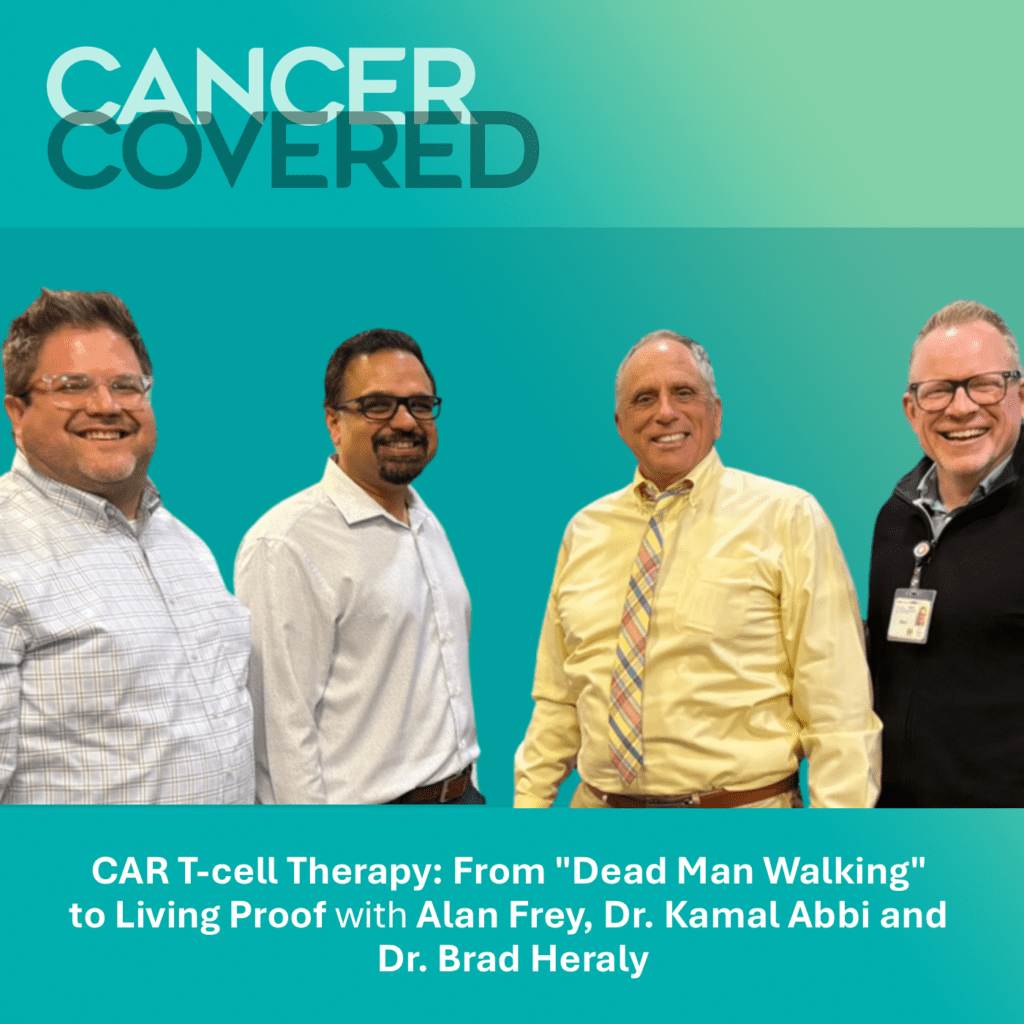
Join Dr. Kamal Abbi and Dr. Brad Heraly as they welcome patient Alan Frey to the studio for a raw and insightful look at his experience with CAR T-cell therapy for leukemia.
What to Expect During Breast Cancer Surgery & Recovery: Your Care Team Every Step of the Way
Breast surgical oncologist Dr. Judy Tjoe and nurse practitioner Mikayla Petzke continue their conversation about what patients can expect after surgery and how team-based care helps patients feel supported every step of the way.
Is Cancer a Death Sentence?

Dr. Edgard Badine, Dr. Kamal Abbi, and Dr. Matthew Ryan discuss why the fear of cancer as a “death sentence” still persists, how modern advances in screening, treatment, and care have reshaped outcomes, and how shifting the conversation toward understanding a patient’s plan can replace fear with clarity and control.
From Patient to Professor: Dr. Brian Merkel and the Transplant Ripple Effect
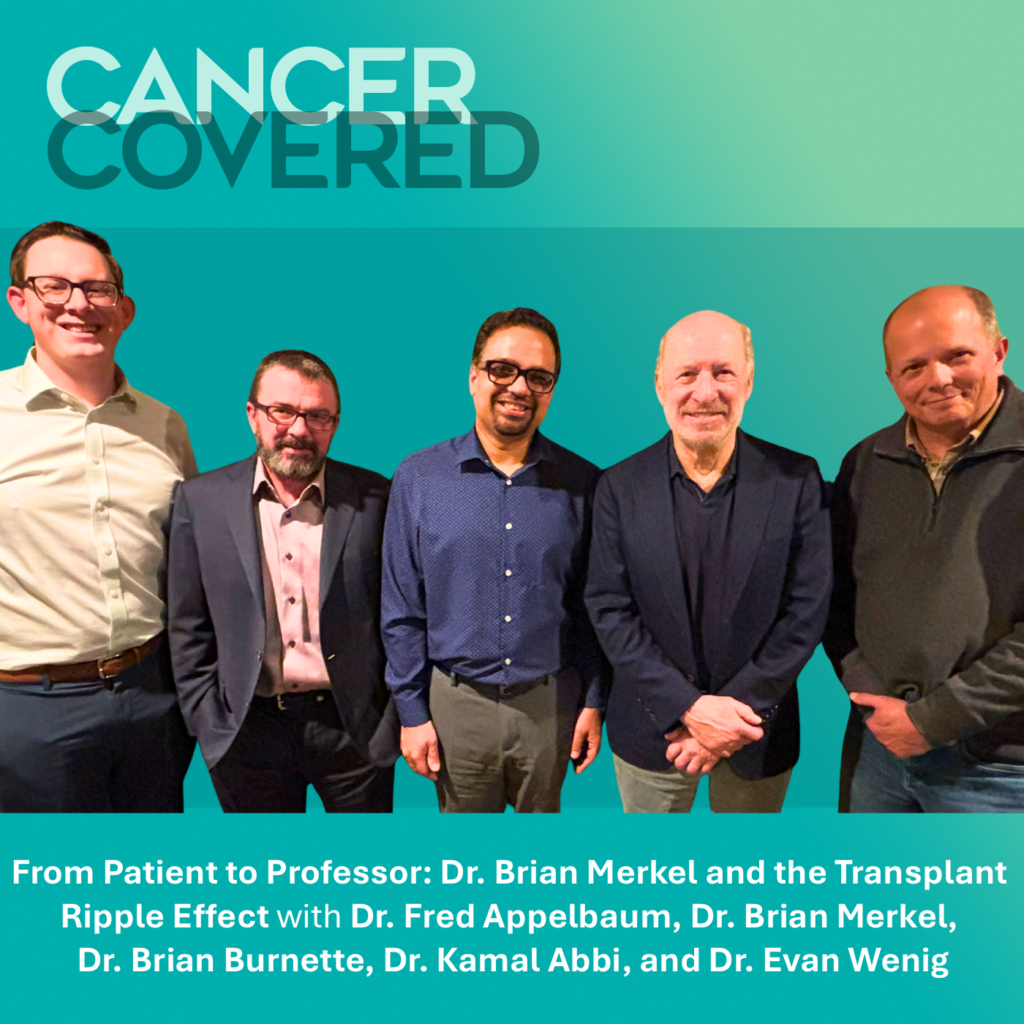
Dr. Fred Appelbaum, Executive Vice President of Fred Hutch Cancer Center, joins Green Bay Oncology physicians Dr. Brian Burnette, Dr. Kamal Abbi, and Dr. Evan Wenig, along with Dr. Brian Merkel, Professor and Chair of Human Biology at the University of Wisconsin–Green Bay, to reflect on one of the earliest eras of bone marrow transplantation through the eyes of both patient and physician.
The Leukemia Patient Experience

Dr. Fred Appelbaum joins Green Bay Oncology physicians Dr. Brian Burnette, Dr. Kamal Abbi, Dr. Evan Wenig, and UW–Green Bay professor Dr. Brian Merkel to explore how leukemia treatment has evolved—highlighting rising survival rates, the emotional realities of care, and the innovations reshaping hope for patients and families.
Survivorship and Living with Cancer
Medical oncologists Dr. Brian Burnette and Dr. Kamal Abbi explore the “survivorship cliff,” addressing the emotional and physical challenges patients face when transitioning from active treatment to a new normal.
Social Work Services in Cancer Care

In this vital episode of Cancer Covered, social worker Tom Bekkers joins oncologists Dr. David Groteluschen and Dr. Michael Guiou to discuss the indispensable role of social work in providing comprehensive support for patients and families navigating the emotional, practical, and financial challenges of cancer care.
Dr. Brian Merkel’s Story: From Surviving Cancer to Inspiring Future Doctors (Part 2)

In the second half of our discussion, Dr. Brian Merkel moves beyond his 1984 battle with acute myeloid leukemia (AML) to focus on his life as a survivor. Following a successful bone marrow transplant, Dr. Merkel is now dedicated to inspiring and mentoring the next generation of doctors and scientists.